
Spinal Decompression
Therapy
A non-surgical, non-invasive treatment that gently unloads the spine to relieve disc pressure, reduce nerve pain, and create the conditions for natural disc healing — as part of a whole-body approach to chronic back pain.
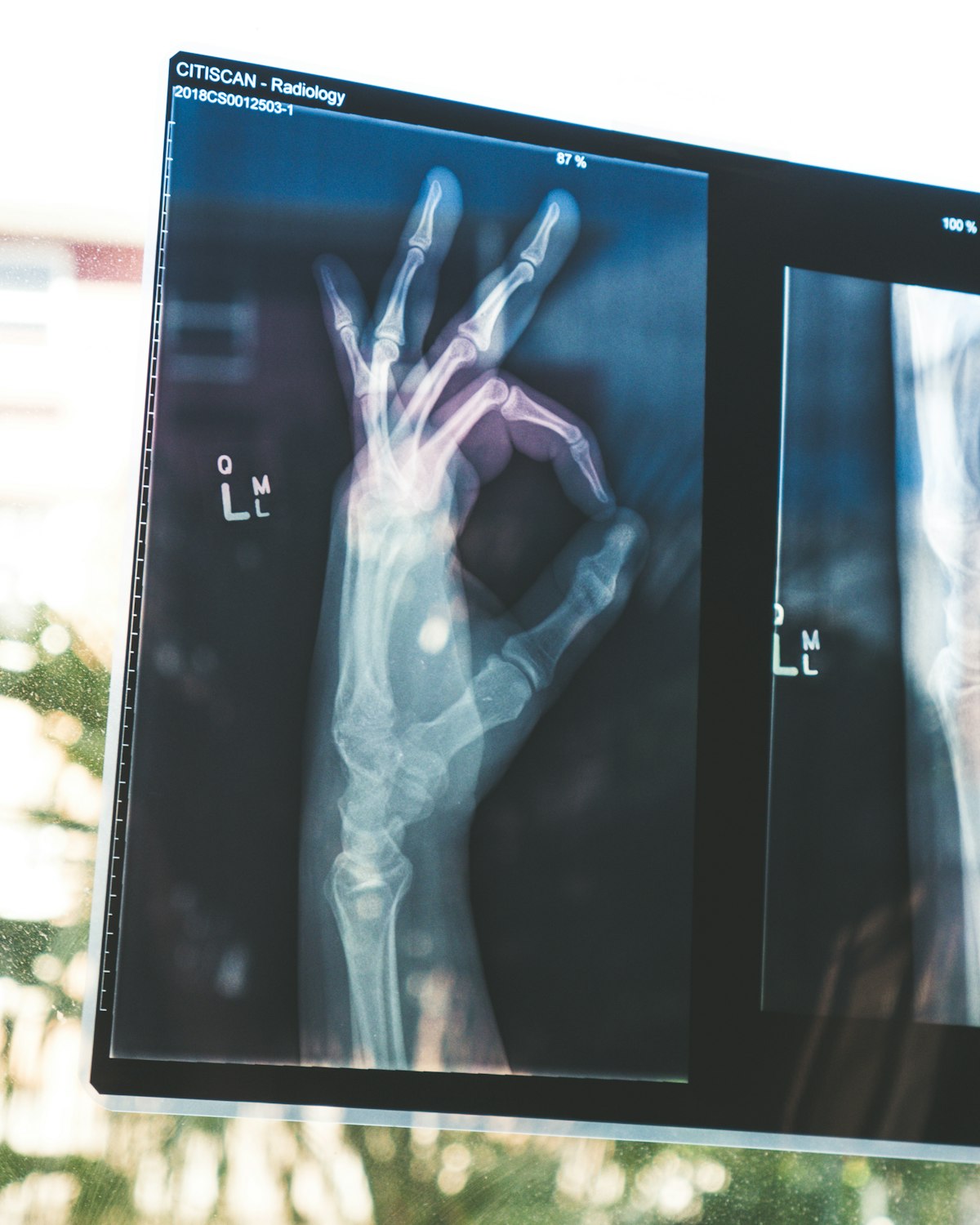
What is Spinal Decompression?
Non-surgical spinal decompression is a motorized traction therapy that gently stretches the spine in a precise, controlled manner. By creating negative intradiscal pressure within the affected spinal segment, it allows herniated or bulging disc material to retract, reduces pressure on compressed spinal nerves, and promotes the flow of water, oxygen, and nutrients back into the disc — supporting the body's natural healing process.
Unlike traditional traction, which applies static force, spinal decompression uses a computer-controlled table that alternates between distraction and relaxation phases. This cycling motion prevents the muscles from guarding against the stretch, allowing the decompressive force to reach the disc itself rather than just the surrounding soft tissue.
At Revolve Integrative Health, spinal decompression is part of a comprehensive, whole-body care plan. In addition to addressing the structural disc problem, we investigate and treat the hidden root causes — including systemic inflammation, gut health, and nervous system dysregulation — that perpetuate chronic spinal pain even after the disc is treated. This is often the missing piece for patients who have tried decompression elsewhere without lasting results.
How It Works
The Mechanism of Disc Decompression
Negative intradiscal pressure. Research has documented that spinal decompression reduces intradiscal pressure from its normal resting level (approximately 90–100 mmHg) into the negative range — as low as -100 to -150 mmHg. This negative pressure creates a vacuum effect within the disc, drawing herniated or extruded disc material back toward the center and relieving direct pressure on surrounding nerve roots.
Disc rehydration and nutrient exchange. Spinal discs do not have a direct blood supply — they rely on a pumping mechanism to absorb water, oxygen, and nutrients from surrounding tissue. Chronic compression and poor posture impair this exchange, accelerating disc degeneration. Decompression restores this pumping action, rehydrating the nucleus pulposus and delivering the raw materials the disc needs to repair itself.
Nerve decompression and pain relief. By widening the intervertebral foramen — the opening through which spinal nerves exit the spine — decompression directly reduces mechanical pressure on compressed nerve roots. This explains why patients with radiculopathy (nerve pain radiating into the arms or legs) often experience significant relief, as the source of the compression is being physically addressed rather than simply managed.
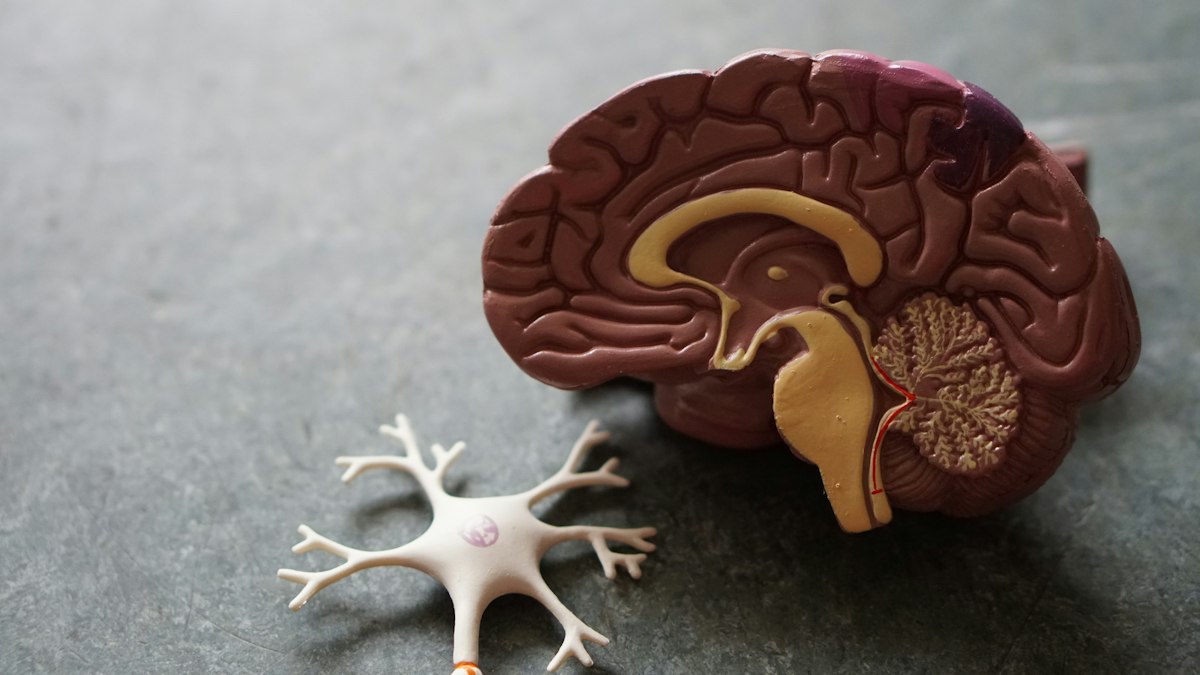
Hidden Root Causes of Chronic Back Pain
Chronic back and disc pain is rarely just a structural problem. The spine does not exist in isolation — it is embedded in a body-wide system where inflammation, gut health, blood sugar regulation, and nervous system function all directly influence how pain is experienced, how quickly tissue heals, and whether relief lasts. Treating the disc without addressing these factors is one of the primary reasons patients fail to achieve lasting results.
An unhealthy gut microbiome can produce toxins that enter the bloodstream and trigger widespread inflammation — including around spinal discs and nerve roots. This process is further amplified by the brain-gut-vagus nerve axis: the vagus nerve is the primary communication highway between the brain and the gut, and when gut health is disrupted, it sends dysregulated signals that impair the body's ability to regulate inflammation, modulate pain, and initiate healing in spinal tissue. Elevated blood sugar compounds this further by promoting the formation of advanced glycation end products (AGEs) that accumulate in disc tissue and accelerate degeneration.
At Revolve, we investigate through Functional Medicine Testing and address these root causes alongside the structural disc issue — because lasting relief requires treating both.
What to Expect
Comfortable & Painless
Most patients find spinal decompression comfortable — many fall asleep during sessions. The table is adjustable and the distraction force is calibrated specifically to your body weight, condition, and tolerance. There is no sharp pulling sensation.
Session Length
Each session typically lasts 20–30 minutes. You lie on a specialized decompression table while a harness applies gentle, precise traction to the affected spinal segment. Sessions are generally performed 3–5 times per week during the active treatment phase.
Number of Sessions
A typical course of treatment ranges from 15–25 sessions over 4–8 weeks, depending on the severity and chronicity of your condition. Disc healing is a gradual biological process — consistent treatment builds on itself and results generally improve progressively over the course of care.
Combined with Other Therapies
At Revolve, decompression is integrated with chiropractic adjustments, FSM, and photobiomodulation to address disc pressure, nerve inflammation, and systemic root causes simultaneously.
Conditions Commonly Treated
Herniated Disc
Bulging Disc
Degenerative Disc Disease
Sciatica
Spinal Stenosis
Posterior Facet Syndrome
Chronic Lower Back Pain
Neck Pain & Cervical Disc Issues
Radiculopathy (Arm or Leg Pain)
Numbness & Tingling
Post-Surgical Disc Pain
Foraminal Stenosis
Is spinal decompression right for you? Spinal decompression is not appropriate for all patients. It is generally not recommended for patients with fractures, tumors, advanced osteoporosis, metal implants in the spine, or during pregnancy. Dr. Marco will conduct a thorough evaluation before recommending this therapy.
Medical Disclaimer. The information on this page is for educational purposes only and is not a substitute for medical advice, diagnosis, or treatment. Dr. Marco Abellera, DC follows all applicable FDA guidelines. Benefits and risks of all treatments will be discussed in full during your consultation.
Is your disc pain holding you back?
Book a consultation and let Dr. Marco assess your spine and build a comprehensive plan that addresses both the disc and the root causes driving your pain.
Book a Consultation