
Lyme Disease
Lyme disease and its co-infections are among the most complex and contested conditions in modern medicine — and among the most underdiagnosed. At Revolve, we take a comprehensive, integrative approach to identifying and addressing Lyme-related illness.
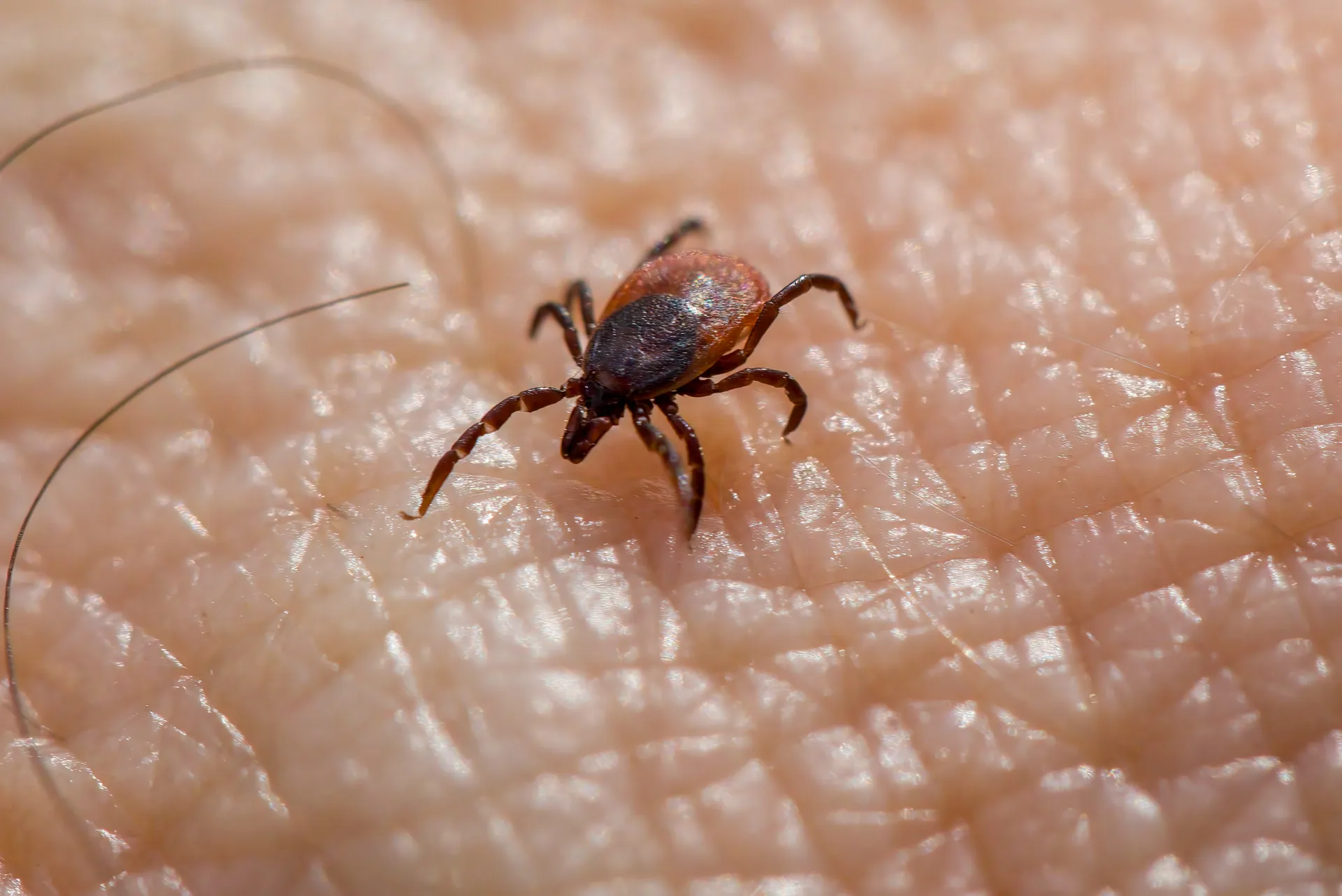
Understanding Lyme Disease
Lyme disease is caused by the bacterium Borrelia burgdorferi, transmitted through the bite of infected black-legged ticks. Early Lyme, when diagnosed and treated promptly with antibiotics, often resolves fully. But for a significant portion of patients — estimates range from 10–35% — symptoms persist long after antibiotic treatment, a condition known as Post-Treatment Lyme Disease Syndrome (PTLDS) or chronic Lyme disease.
Chronic Lyme presents a profound diagnostic challenge. Standard testing (two-tier ELISA/Western blot) misses a substantial number of cases — particularly those with atypical antibody responses or co-infections with Bartonella, Babesia, Ehrlichia, or other tick-borne pathogens. Patients with chronic Lyme frequently spend years cycling through specialists, receiving diagnoses of fibromyalgia, chronic fatigue, autoimmune disease, or psychiatric illness, while the underlying infection and inflammatory cascade go unaddressed.
At Revolve Integrative Health, we use comprehensive functional testing to identify Lyme co-infections, immune dysregulation, and the systemic inflammatory burden driving chronic symptoms — then build an integrative support plan that addresses the biological environment that allows these infections to persist.
Manifestations of Lyme-Related Illness
Musculoskeletal Involvement
Migratory joint pain, muscle aches, and tendon inflammation — often moving from joint to joint without a consistent pattern. Can mimic rheumatoid arthritis or fibromyalgia.
Neurological Involvement
Neurological Lyme (neuroborreliosis) produces brain fog, cognitive impairment, peripheral neuropathy, facial palsy, and mood disorders — often misidentified as MS, depression, or psychiatric illness.
Tick-Borne Co-Infections
Many Lyme patients are co-infected with Bartonella, Babesia, Ehrlichia, or Anaplasma — each producing distinct symptom patterns that compound and complicate the clinical picture.
Immune Dysregulation
Borrelia actively evades the immune system — suppressing natural killer cells, T-cells, and B-cells, and producing molecular mimicry that can trigger autoimmune reactions affecting multiple organs.
Cardiovascular Involvement
Lyme carditis can produce heart block, palpitations, and chest pain. Autonomic nervous system dysfunction is common and produces orthostatic intolerance, POTS-like symptoms, and poor heart rate variability.
Overlap with CIRS & EBV
Chronic Lyme frequently co-occurs with mold-related CIRS and EBV reactivation — creating overlapping symptom patterns that require simultaneous investigation and treatment of multiple biological drivers.
Symptoms
Migratory joint & muscle pain
Chronic fatigue
Brain fog & memory loss
Peripheral neuropathy
Headaches
Sleep disturbances
Mood changes & anxiety
Light & sound sensitivity
Flu-like symptoms
How We Approach Lyme-Related Illness at Revolve
Comprehensive Functional Testing
Advanced Lyme antibody panels, co-infection testing, immune panels, inflammatory markers, and pathogen reactivity arrays to identify the full infectious and inflammatory burden. Learn more →
FSM for Immune & Inflammatory Support
Frequency specific microcurrent protocols targeting Lyme-associated inflammation, nerve involvement, and immune dysregulation — reducing the inflammatory environment that perpetuates chronic symptoms. Learn more →
IASIS Neurofeedback
Addresses the neurological and autonomic dysregulation that chronic Lyme produces — supporting brain recovery, improving sleep, and reducing the nervous system burden of chronic infection. Learn more →
Photobiomodulation
Reduces neuroinflammation, supports mitochondrial recovery, and improves immune function — creating the cellular conditions needed for the body to fight chronic infection more effectively. Learn more →
Chiropractic & Structural Care
Addressing the musculoskeletal pain, joint dysfunction, and nervous system dysregulation that Lyme infection produces — supporting physical recovery alongside systemic treatment. Learn more →
Gut & Immune Restoration
Rebuilding the gut microbiome and restoring immune regulation — essential steps in creating the biological environment that supports long-term recovery from chronic Lyme-related illness.
Medical Disclaimer. The information on this page is for educational purposes only and is not a substitute for medical advice, diagnosis, or treatment. Dr. Marco Abellera, DC follows all applicable FDA guidelines. Benefits and risks of all treatments will be discussed in full during your consultation.
Still searching for answers?
Book a consultation and let Dr. Marco investigate whether Lyme-related illness is driving your symptoms and build a comprehensive plan to address it.
Book a Consultation