
Photobiomodulation
Therapy (PBM)
A non-invasive, non-thermal light therapy that uses specific wavelengths of red and near-infrared light to stimulate cellular repair, reduce inflammation, and accelerate healing from the inside out.
What is Photobiomodulation?
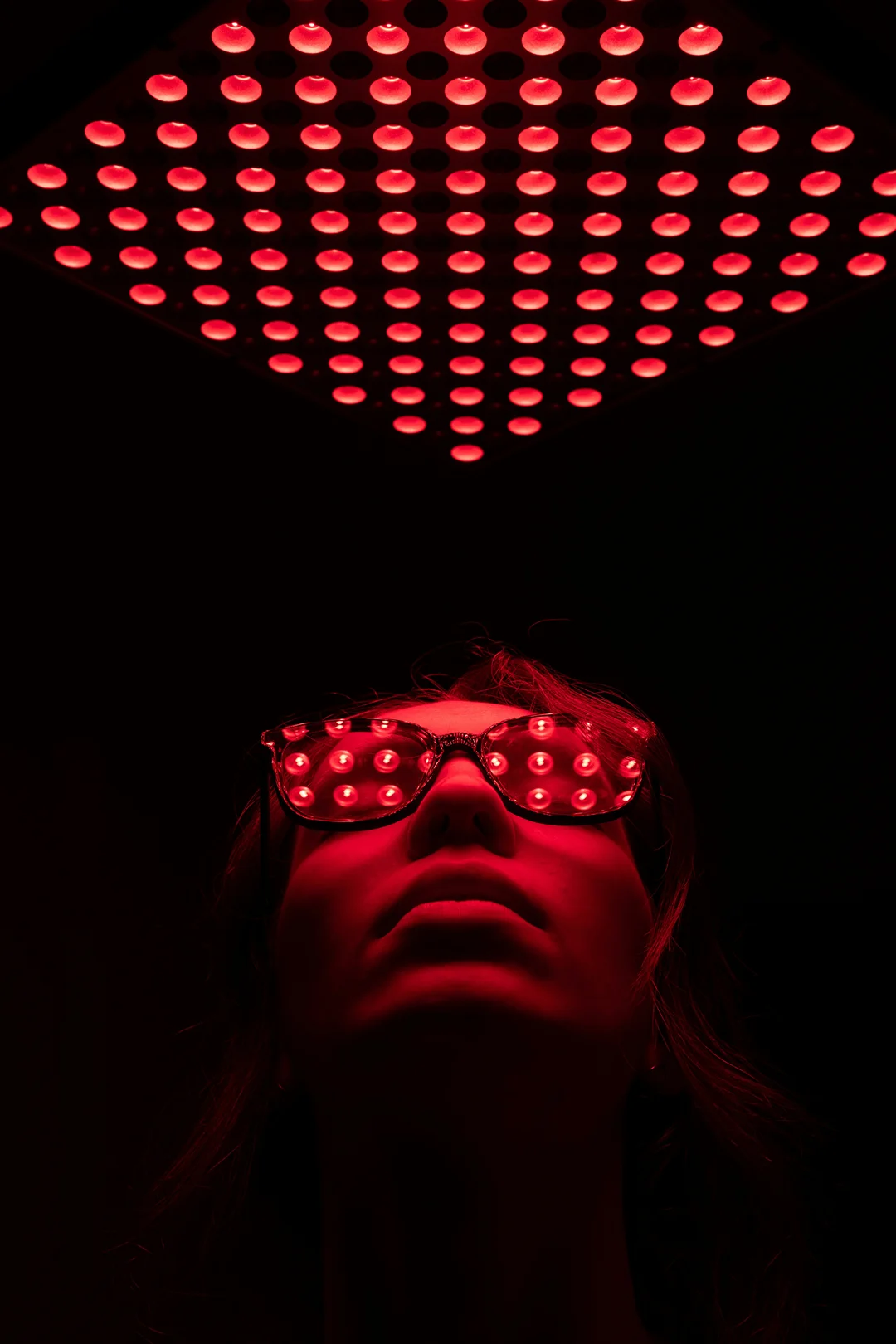
Photobiomodulation (PBM), previously known as Low-Level Laser Therapy (LLLT), is a non-invasive form of phototherapy that delivers specific wavelengths of red light (620–700 nm) and near-infrared light (700–1440 nm) to targeted tissue. Unlike surgical or high-intensity lasers, PBM does not cut, burn, or ablate tissue — it works entirely through a biological, non-thermal mechanism at the cellular level.
The foundational discovery was made in 1967 by Hungarian physician Dr. Endre Mester, who found that low-power laser application to tissue stimulated hair regrowth and accelerated wound healing in animal models. Over the following decades, research expanded dramatically. Today, PBM is one of the most extensively studied non-invasive therapeutic modalities in modern medicine, with over 1,900 publications in PubMed covering its application in pain management, inflammation, tissue regeneration, neurological conditions, and more.
At Revolve Integrative Health, photobiomodulation is used as part of a comprehensive, integrative care plan — strategically applied to accelerate healing, reduce chronic inflammation, and support recovery in patients dealing with musculoskeletal injuries, chronic pain, and complex systemic conditions.
The Two Therapeutic Wavelengths
620–700 nm
Red Light
Red light penetrates the skin at a shallower depth, targeting surface-level tissue including skin, fascia, and superficial muscle. Highly effective for wound healing, inflammation reduction, and stimulating collagen production in connective tissue.
700–1100 nm
Near-Infrared Light
Near-infrared light penetrates deeper — reaching muscle, bone, joint, nerve, and even brain tissue. It is the primary wavelength for deep tissue healing, nerve regeneration, pain relief, and neurological applications including TBI and chronic fatigue.
The Science Behind It
How Light Heals at a Cellular Level
It recharges your cells. Red and near-infrared light is absorbed by mitochondria — the energy-producing centers of every cell. This triggers a significant increase in ATP production, the fuel cells need to repair, regenerate, and function normally. In damaged or chronically inflamed tissue, this is the difference between a cell that's stuck and one that can finally heal.
It reduces inflammation. PBM reduces pro-inflammatory cytokines and enzymes through multiple pathways. Published research shows that targeted light therapy can produce anti-inflammatory effects comparable to NSAIDs — without the side effects or systemic risks associated with long-term medication use.
It reaches deeper than you'd expect. Near-infrared wavelengths penetrate beyond the skin surface — reaching muscle, joint, nerve, and even brain tissue. This makes PBM effective not just for surface injuries but for deep tissue conditions, nerve pain, neuropathy, and neurological applications including traumatic brain injury and chronic fatigue.
What to Expect
Non-Thermal & Painless
PBM works through a purely biological mechanism — not heat. Patients feel little to nothing during treatment. There is no discomfort, no downtime, and no recovery period. Most patients return to normal activity immediately.
Session Length
Sessions typically take 10–20 minutes depending on the treatment area and condition. The device is applied directly to the skin over the target area. Parameters including wavelength, fluence, and duration are selected based on your specific condition.
Number of Sessions
Most conditions respond best to a series of treatments rather than a single session. The cumulative biological effects of PBM build over multiple sessions, with patients typically noticing continued improvement for days to weeks after each treatment.
Part of a Broader Plan
At Revolve, PBM is strategically integrated with other therapies — particularly chiropractic care, myofascial therapy, and FSM — to maximize results. Each modality targets a different aspect of healing, making the combination more powerful than any single therapy alone.
Conditions Commonly Treated
Chronic Neck & Back Pain
Tendinopathy
Nerve Pain & Neuropathy
Wound Healing
Sports Injuries
Traumatic Brain Injury
Post-Surgical Recovery
Arthritis & Joint Pain
Chronic Fatigue
Fibromyalgia
Inflammation & Edema
Muscle Recovery
Medical Disclaimer. The information on this page is for educational purposes only and is not a substitute for medical advice, diagnosis, or treatment. Photobiomodulation therapy is not FDA approved for all conditions listed. Dr. Marco Abellera, DC follows all applicable FDA guidelines. Benefits and risks of all treatments will be discussed in full during your consultation.
Is photobiomodulation right for you?
Book a consultation and let Dr. Marco assess your condition and determine whether PBM therapy belongs in your care plan.
Book a Consultation