
IASIS Microcurrent
Neurofeedback (MCN)
A passive, non-invasive brain training technology that uses ultra-low electrical current to disrupt stuck brainwave patterns — allowing the nervous system to reset, reorganize, and regulate itself.
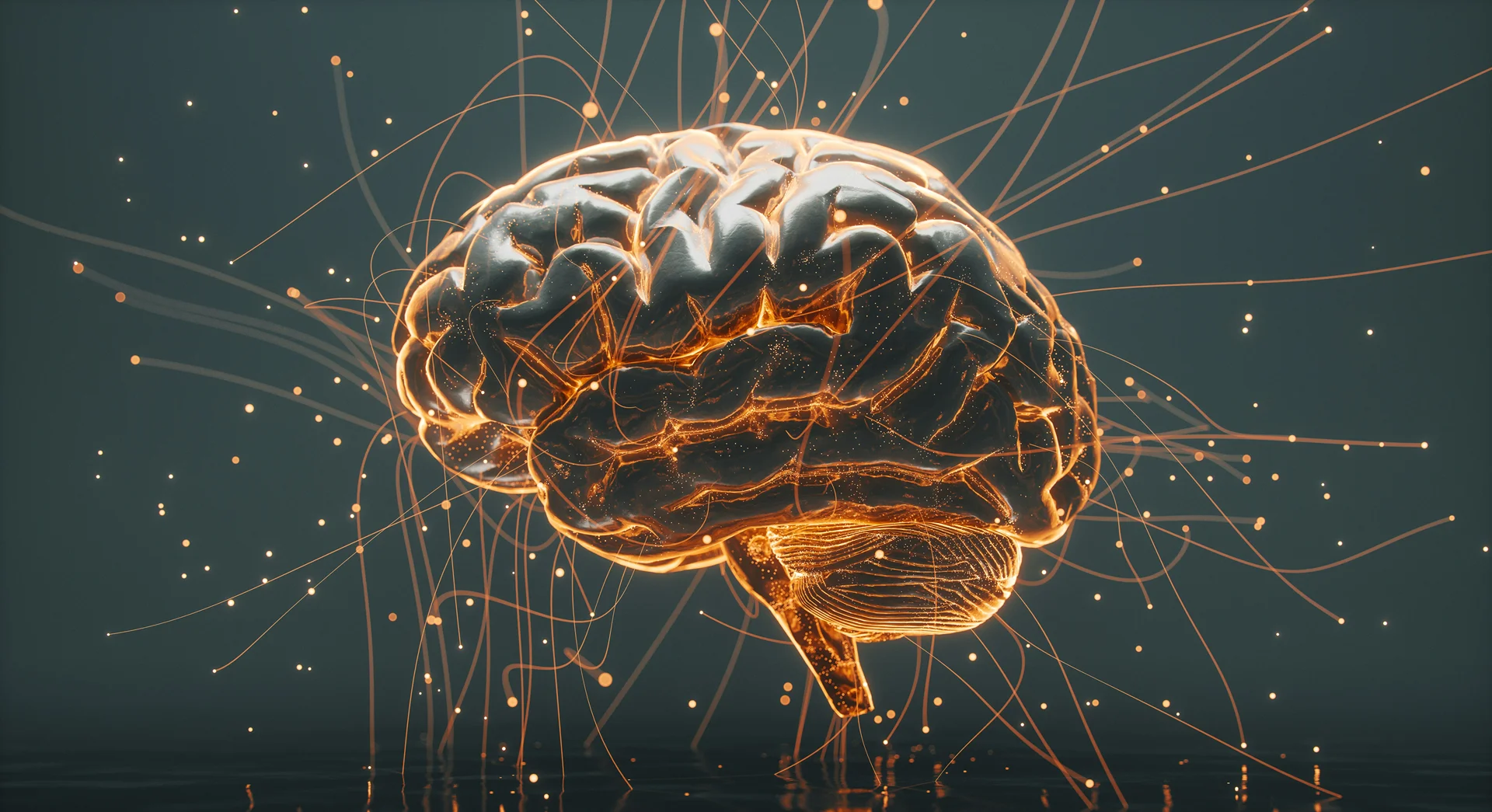
What is IASIS Microcurrent Neurofeedback?
IASIS Microcurrent Neurofeedback (MCN) is a low-intensity, pulse-based transcranial electrical stimulation (LIP-tES) technology that delivers imperceptible microcurrent pulses — just 3 picowatts, or 3 trillionths of a watt — to the brain via scalp electrodes. To put that in perspective, that is approximately one one-millionth of the energy emitted by your cell phone.
Unlike traditional neurofeedback, which requires active mental participation and dozens of sessions to produce results, IASIS MCN works passively. The patient simply sits still for 20–30 minutes while the device reads the brain's dominant electrical pattern and delivers a precise offset — a brief, targeted fluctuation that prompts the nervous system to break out of its fixed, stuck patterns and reorganize itself. No conscious effort is required. Results are typically felt much faster than with conventional neurofeedback.
IASIS stands for the Greek word for healing or cure. The technology is a 510(k)-registered FDA device indicated for relaxation training and muscle re-education. It is used at Revolve Integrative Health as part of a comprehensive approach to nervous system regulation — particularly for patients dealing with chronic pain, brain injury, trauma, and complex chronic illness where the nervous system itself has become dysregulated.
Clinical Research Findings
53.6%
Reduction in abnormal brainwaves after 12 sessions (Huang et al., Brain Injury journal)
52.8%
Reduction in post-concussive symptoms in peer-reviewed TBI study
85%
Of clients report a positive response within 1–3 sessions
The Science Behind It
Neurological & Biological Mechanisms
Disrupting Stuck Brainwave Patterns. Trauma — physical or emotional — causes the brain to become locked in fixed, dysfunctional electrical patterns. Delta wave activity, which is critical for repair and healing, slows down. This triggers a chronic fight-or-flight state, elevating cortisol, epinephrine, and norepinephrine — and over time, causing axonal damage and driving symptoms like anxiety, brain fog, poor sleep, pain, and emotional dysregulation. IASIS MCN briefly disrupts these fixed patterns, allowing the brain to reset and lay down new neural pathways.
Neuroplasticity & Self-Reorganization. The brain is neuroplastic — it has the capacity to rewire itself. IASIS MCN does not train the brain from the outside in; rather, it creates the conditions for the brain to reorganize itself. Each session builds on the last. The healing effects are cumulative, progressively inviting the brain toward optimal functioning and naturally influencing connected body systems.
Neuroimaging Evidence. A landmark pilot study led by Ming-Xiong Huang, Ph.D. at UC San Diego and the VA San Diego Healthcare System — published in the peer-reviewed journal Brain Injury and supported by the US Department of Veterans Affairs — used magnetoencephalography (MEG) to provide the first neuroimaging-based evidence of functional brain changes from IASIS MCN. Participants with mild to moderate traumatic brain injury showed a 53.6% reduction in abnormal slow-wave activity and a 52.8% reduction in post-concussive symptoms after just 12 sessions. This was the first time imaging technology had documented objective neurological change from a passive neurofeedback intervention.
Autonomic Nervous System Balance. Beyond the brain, IASIS MCN helps balance the autonomic nervous system — the system that regulates the body's stress response, heart rate, digestion, immune function, and sleep. When the autonomic nervous system is chronically dysregulated — as is common in trauma, chronic pain, mold illness, Lyme disease, and TBI — the entire body is affected. By restoring nervous system regulation, IASIS MCN creates the conditions for broader systemic healing.
What to Expect
Passive & Effortless
You simply sit comfortably while small electrodes are applied to specific areas of the scalp. The microcurrent is imperceptible — most people feel nothing. No active mental participation is required.
Fast Results
Unlike traditional neurofeedback which may require 40–60 sessions, most IASIS MCN clients notice a positive response within 1–3 sessions. Changes are generally enduring and sustainable.
Session Length
Each session takes approximately 20–30 minutes. The number of sessions needed varies by condition and individual, but most patients complete a meaningful course of treatment within a few weeks.
Cumulative Healing
Just as trauma accumulates over time, the healing effects of IASIS MCN build with each session — progressively restoring the brain's ability to regulate itself and reducing symptoms across multiple systems.
Conditions Commonly Addressed
Traumatic Brain Injury (TBI)
Post-Concussion Syndrome
PTSD
Anxiety & Stress Disorders
Depression
ADD / ADHD
Insomnia & Sleep Disorders
Chronic Fatigue
Brain Fog
Migraines & Headaches
Chronic Pain
Nervous System Dysregulation
Important Notice. IASIS MCN is a 510(k)-registered FDA device indicated for relaxation training and muscle re-education. It is not FDA-cleared to diagnose, treat, cure, or prevent any specific disease or condition. There are no known contraindications for IASIS MCN. Individual results vary.
Medical Disclaimer. The information on this page is for educational purposes only and is not a substitute for medical advice, diagnosis, or treatment. Dr. Marco Abellera, DC follows all applicable FDA guidelines. Benefits and risks of all treatments will be discussed in full during your consultation.
Could IASIS MCN help you?
Book a consultation and let Dr. Marco assess your nervous system and determine whether IASIS Microcurrent Neurofeedback belongs in your care plan.
Book a Consultation